cardiosports

Recent Posts

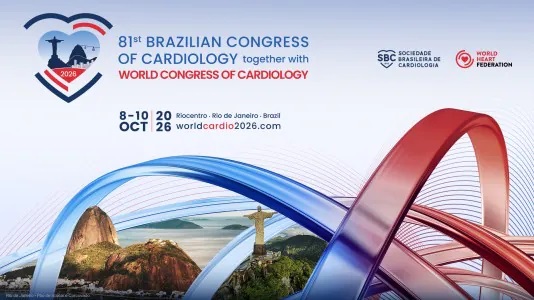
World Congress of Cardiology 2026

Join the Brazilian Society of Cardiology and the World Heart Federation for SBC’s 81st Brazilian Congress of Cardiology from October ...

Read More

Challenges & Advancements in Cardiology: Cardio World Congress-2027 (WCAC-2027)

About Conference You are warmly invited to “Challenges & Advancements in Cardiology: Cardio World Congress-2027 (WCAC-2027),” which will take place at ...

Read More

Boston Sports Cardiology Summit

CONTINUING EDUCATION Boston Sports Cardiology Summit September 25, 2026 – September 26, 2026    

Read More

Sports Cardiology Society Annual Meeting & Conference

Sports Cardiology Society Annual Meeting & Conference     Sports Cardiology Society Annual Meeting & Conference                                     Start 25 Jun 2027   End 27 Jun 2027 ...

Read More

ESC Preventive Cardiology 2027

ESC Preventive Cardiology 2027 15 - 17 Apr 2027 Lisbon, Portugal Organised by:  

Read More

ESC Congress 2026

ESC Congress 2026 28 - 31 Aug 2026 Munich, Germany Organised by:   ESC Congress 2026 is where we championed responsible progress, while celebrating the human connection ...

Read More

CRY Cardiology Conference Updates in Sports Cardiology

CRY Cardiology Conference Updates in Sports Cardiology Top experts from around the globe Case-based scenarios informing your clinical practice Interactive debates ...

Read More


tafisa

IFCH is an official member of TAFISA in the international level


tafisa

6th INTERNATIONAL CONFERENCE ON CARDIOLOGY


Cardiovascular training is exercise for your heart and lungs

Cardiovascular training is exercise for your heart and lungs. During this type of training you are increasing and decreasing you heart rate and increasing its endurance as well as expanding lung capacity.

Your lungs bring oxygen in and your blood cells swing by and pick up this oxygen delivering it throughout your body. If you happen to be riding a bike or running, the muscles in your legs are working hard and burning up the oxygen quickly in their cells. Your muscles have to have oxygen to keep moving. The more stress on the muscles the more oxygen needed.

By bouncing your heart rate up and down and moving through your target zones, you are training your system to respond accordingly. Pick up the pace the heart pumps faster to bring in the oxygen rich blood to the muscles working. The faster the circulation, the less oxygen the blood cells are able pick up but what it does pick up is delivered quickly. Slow your pace and you slow your heart rate and circulation allowing the blood cells to be engorged with oxygen within the lungs.

In short, when I need you I need you now and when you get the chance to refuel take it and be ready to explode again

Leave a Reply