




Cardio training: the ideal duration
What is your goal?
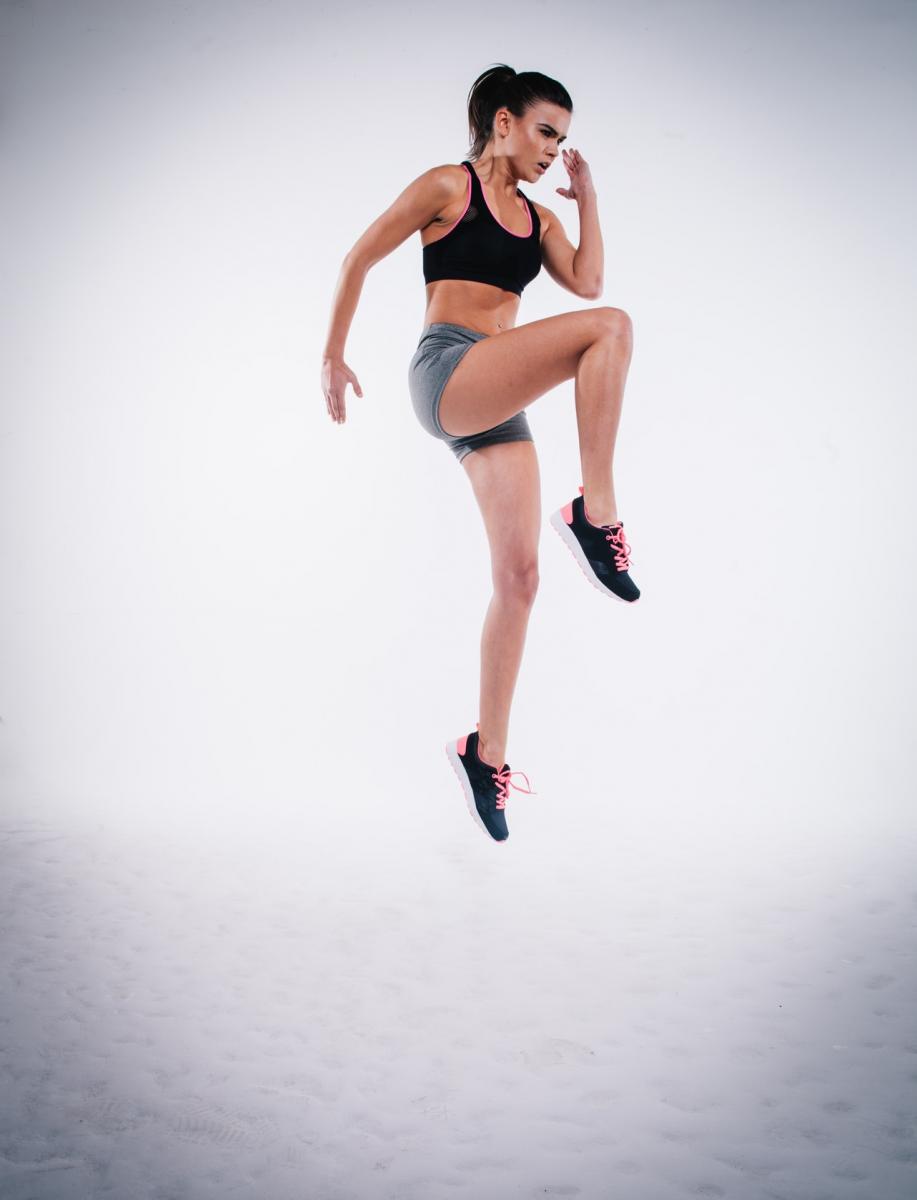
The duration of a cardio session primarily depends on your objective.
- Rehabilitation, resumption of athletic activity following a break due to injury. In this case, the goal through cardio training is to get back in shape and improve your stamina. Don’t try to do too much too fast: 30 minutes of moderate exercise is enough. If all goes well, you’ll be able to gradually lengthen your workouts.
- Weight loss. You want to burn fat as fast as possible. This time, exercises should be more intense, and the duration of your sessions should be longer, as well. We recommend 40-45 minutes of training several times a week.
- Increasing your stamina and your performance. You really have to prepare to get out of your comfort zone to do high-intensity exercises to work the muscles, including the biggest one: your heart. Your sessions, however, don’t necessarily have to last much longer: 30-40 minutes.
What type of workout are you looking for?
Your training session duration also depends on what sort of workout you’re doing.
- For low-intensity or moderate-intensity cardio (for example, pedaling on an exercise bike while watching a TV show): the sessions should last at least 45 minutes to an hour.
- For High-Intensity Interval Training (HIIT) such as a cross training session: keep to a quick (but extremely intense) 20-30 minutes.
Who are you?
Your age, your athletic ability, your level of training and your state of health will all influence the way you train. Make sure to stay in touch with your body and your mind. Obviously, you need to push yourself a bit to make progress and lose weight. Nothing wrong with that! But you must learn to differentiate “effort” and pure discomfort. The latter must be avoided, as this can lead to injury.
Make sure to measure your progress. There are plenty of devices that can help with this: heart rate monitor, smartwatch, computer readout on your machine (exercise bike, rowing machine, elliptical, etc.). These will provide you with data to evaluate your performance and mark your progress. If you find you’re reaching a plateau, then increase your workout frequency or length, or switch it up and try something different!
Stay away from trying to push too hard. You might find yourself skipping your next scheduled session altogether because you haven’t recovered from the previous one yet. Regular training sessions are essential, regardless of your fitness profile.
Finally, remember that any effective workout has to be part of a larger effort on your part. This means you need to eat a balanced diet, breathe properly while working out, hydrate, and stretch regularly.
Maintain motivation

Above all, remember that consistency is the key to your training success. So, be sure to stay motivated. Mix up the exercise routine to keep it fresh. Keep a training journal to mark your progress. Work out alongside a friend. Make yourself a motivational music mix. Equip yourself: invest in an appropriate outfit in which you feel valued, and wear a good pair of comfortable athletic trainers. Also, consider purchasing a home training device, so you can integrate your training more easily into your daily life. Having an exercise bike, an elliptical machine, a rowing machine or a treadmill at home is practical: when you don’t feel like going to the gym, you can get in a quick workout in the comfort of your own home.
Optimize your cardio workouts and enjoy the luxury of training at home by selecting the right home fitness equipment for you from NordicTrack’s wide range of offers.